

ZHONG LIANG has established a complete in-house manufacturing system covering the entire production process, from product design and engineering development to large-scale manufacturing and quality control. We operate dedicated departments for engineering, quality management, injection molding, PU casting, printing, and production coordination. Our dedication for quality products enables an efficient workflow management and stable production consistency across every stage.
With a daily production capacity of up to 176,000 wheels and an annual output reaching 50 million units, our large-scale manufacturing capability meets precision production control. We integrate mold development, polyurethane product research, molding technology, quality inspection, standardized testing, and intelligent production management into one comprehensive manufacturing system, ensuring reliable quality, efficient delivery, and consistent performance for global OEM and ODM projects.
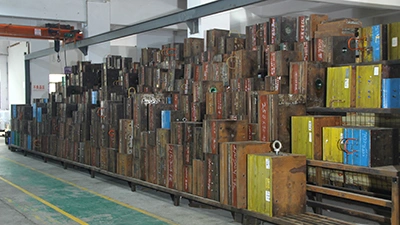 Mold Design & Development
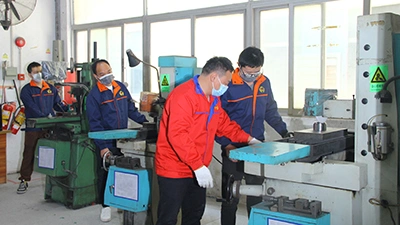 Mold Design & Development
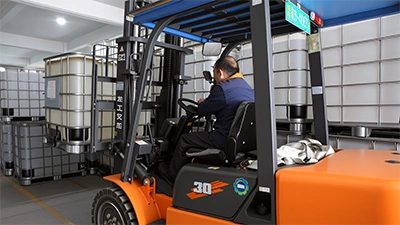 Raw Material Warehouse
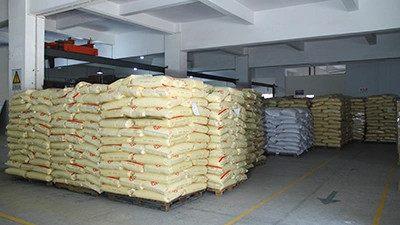 Raw Material Warehouse
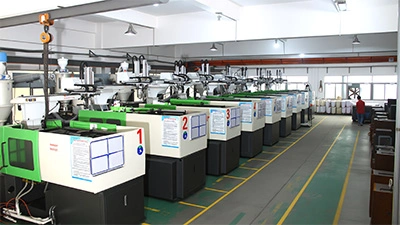 Injection Molding
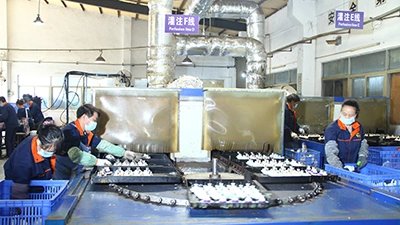 PU Casting
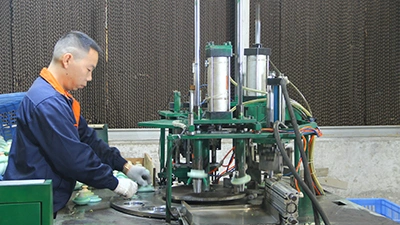 Demolding
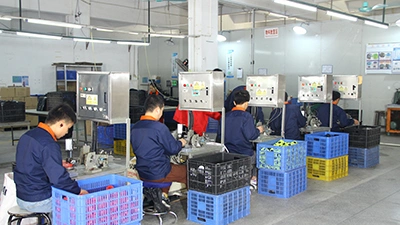 Wheel Trimming
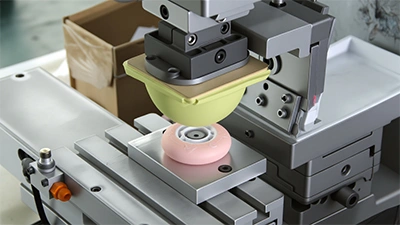 Printing
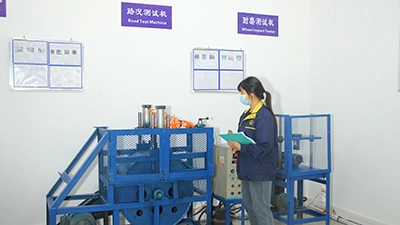 Quality Inspection
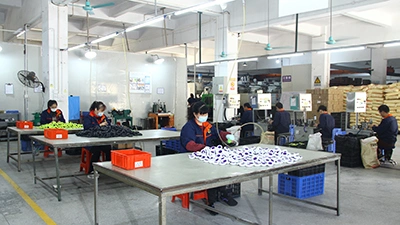 Packaging
ZHONG LIANG has established a comprehensive quality management system supported by a professional R&D laboratory and a full range of advanced testing equipment. Every wheel undergoes strict scientific testing and verification before leaving the factory, helping ensure stable quality and reliable performance across different applications and operating environments.
Our testing procedures cover every critical stage from raw material evaluation to finished wheel inspection. PU material testing includes precise hardness verification ranging from 75A to 95A, rebound performance analysis, and abrasion resistance testing with controlled material loss measurement. To further ensure long-term durability and operational stability, each wheel series also undergoes structural strength and real-world condition simulation testing, including impact resistance tests, high-speed rolling tests, load-bearing fatigue tests, and complex road condition evaluations.
Through comprehensive inspections covering wheel diameter, thickness consistency, wear resistance, rolling performance, and multi-surface adaptability, we ensure our polyurethane wheel solutions comply with international standards including ROHS, REACH, ASTM, and EN requirements. These testing procedures also help us meet the demanding performance expectations of sports equipment, medical devices, industrial mobility systems, and other applications where durability, safety, stability, and quiet rolling performance are valued. We deliver reliable polyurethane wheel solutions trusted by global brands and customers around the world.
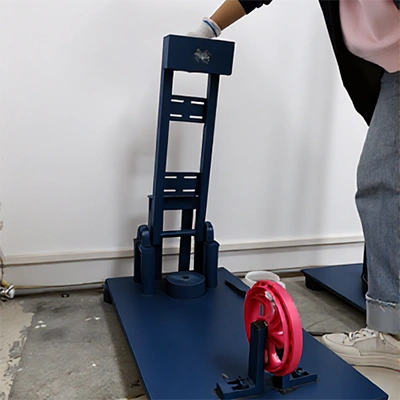
Three consecutive 90-degree vertical free-fall impact tests are performed directly on the wheel core joint area using a standard hammer weight of 12kg for wheels up to 100mm and 15.1kg for wheels above 100mm. The wheel core must remain free from cracking or structural damage after testing.
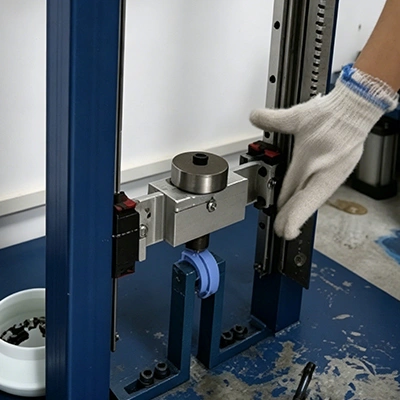
Wheel rebound performance is tested to evaluate elasticity and rolling responsiveness. Standard wheels achieve approximately 40% rebound height, medium-rebound wheels reach 50%, and high-rebound wheels achieve up to 60% rebound performance.
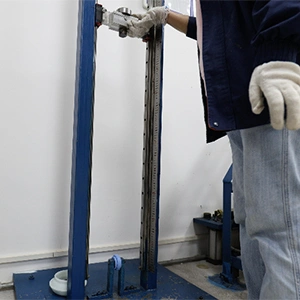
A 30-joule impact force is applied from a height of 153cm to the reinforced structural area of the PU wheel. Each wheel undergoes five consecutive impact tests to verify structural stability without cracking or deformation.
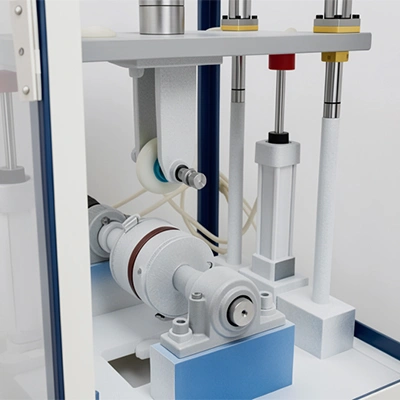
Under testing conditions using a P80 abrasive belt, 10kg load, and rotational speed of 20km/h, the wheel completes a precise 5km wear test. Material loss must remain within 15g while ensuring no peeling, cracking, or deformation occurs.
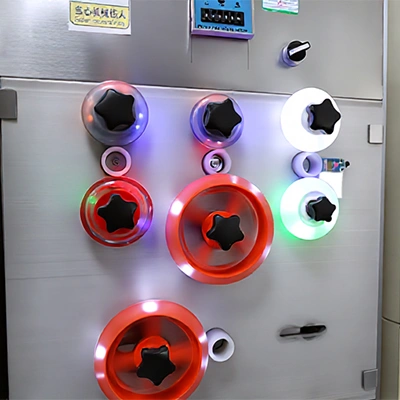
LED flashing wheels are tested under extreme operating conditions at rotational speeds exceeding 1000 RPM. After completing 999,999 full-cycle rotations, the wheel must maintain stable light color and brightness while ensuring magnetic core wear remains within approved standards.
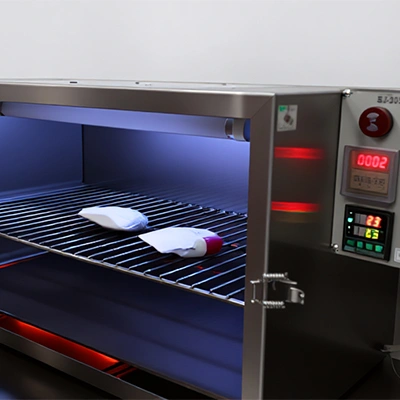
Using a half-sample comparison method, wheels undergo continuous UVA340 ultraviolet exposure inside a 65°C chamber for four hours. Yellowing resistance must achieve Grade 4–5 performance standards.
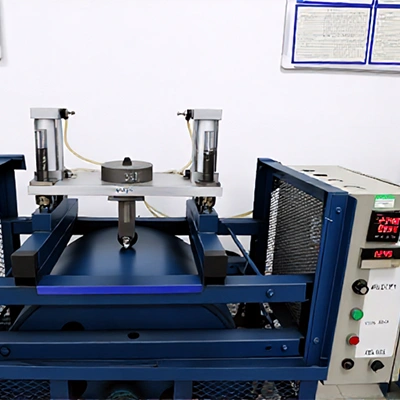
Under a 30kg load and simulated drum-road conditions using a 700mm rolling drum, the wheel operates continuously for three hours at 15–16 RPM and 8±0.5 frequency modulation, totaling 2700 rotations. The PU layer and wheel core must remain free from peeling, cracking, or deformation.
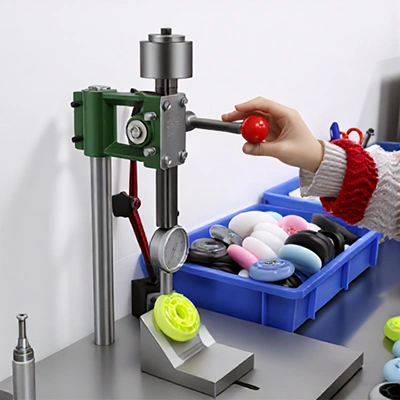
Hardness testing is conducted at six different points across the wheel printing surface after pre-conditioning at a constant temperature of 23°C. Fixture testing uses a 45-degree support platform with 1kg loading to ensure accurate and consistent hardness data across multiple measurement zones.
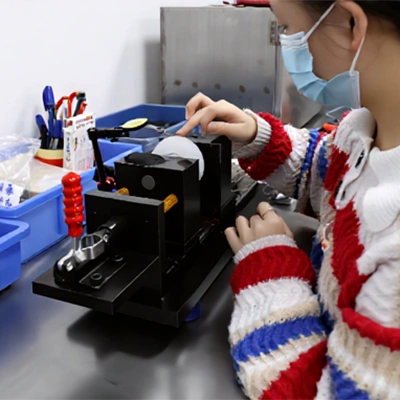
Under controlled pressure of 20±5N, the wheel rotates through a full cycle while radial runout (vertical movement) and axial runout (side-to-side deviation) are measured according to strict grading standards to ensure stable rolling performance and dimensional precision.
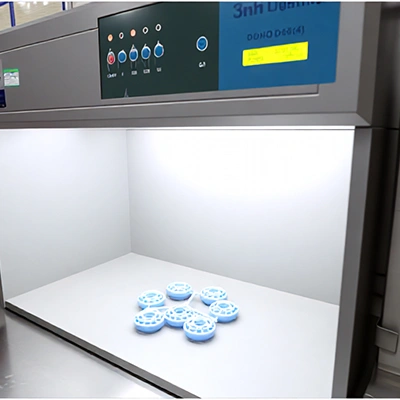
Using a color matching cabinet under identical light sources, backgrounds, and measurement positioning, we compare the color difference between the polyurethane wheel sample and the customer-approved reference sample or standard color swatch. Color difference is evaluated by ΔE values, with acceptance criteria defined as ΔE≤1.5 for standard colored PU wheels, ΔE≤2.0 for dark-colored PU wheels, and ΔE≤2.5 for clear or translucent PU wheels. The finished polyurethane wheel is considered qualified when no visible color deviation is observed under standard lighting conditions.